The dominant browsers assume gigabit fibre, infinite RAM, and that the nearest CDN
is less than ten milliseconds away. None of those things are reliably true on the
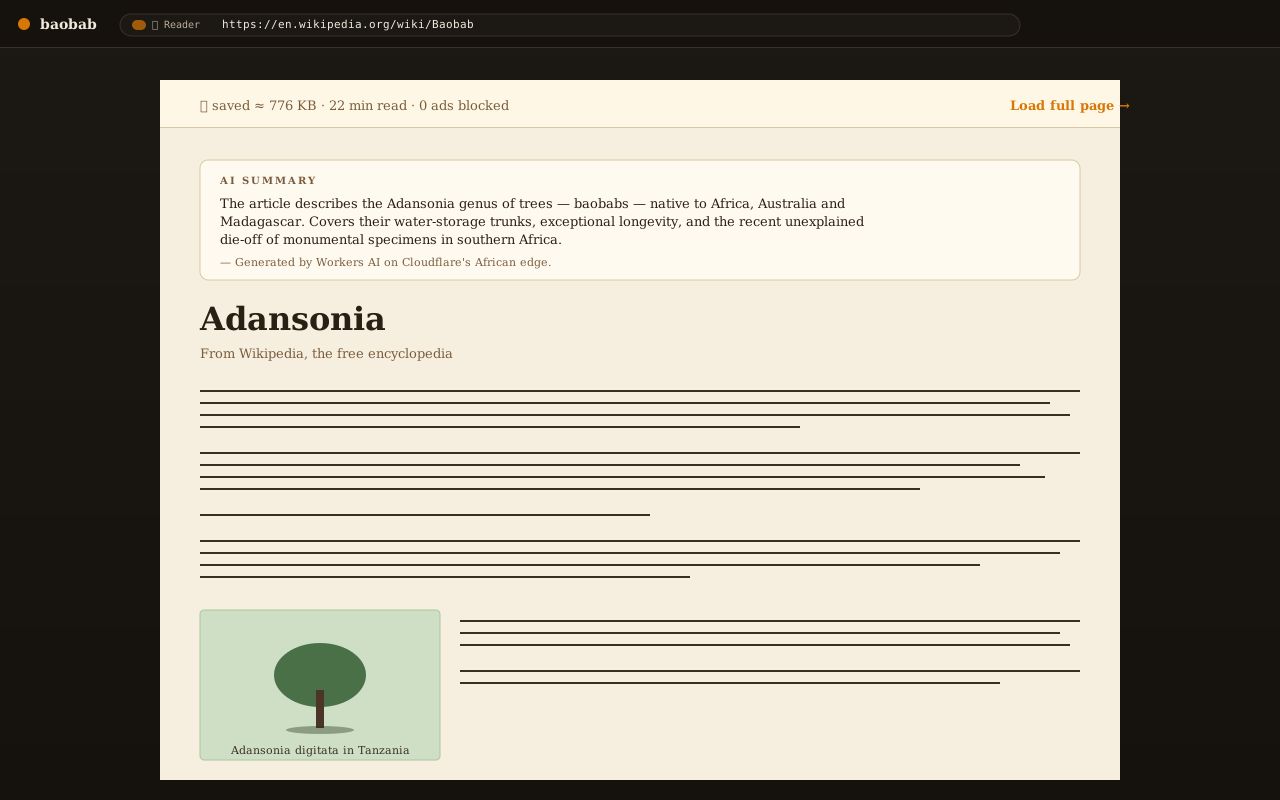
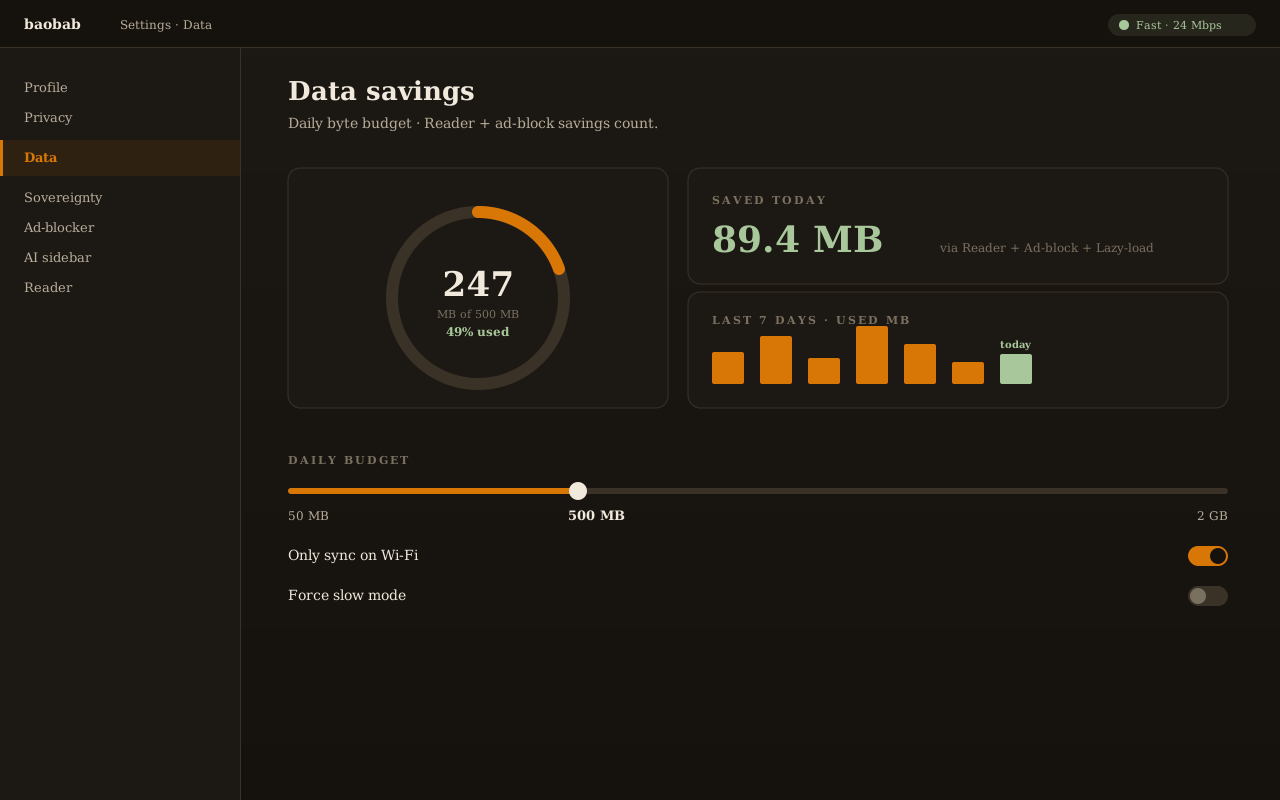
African web. Baobab starts from where the connection actually is: a metered
4G handset, an MTN data bundle, a 2G corner of a rural network. The product is
designed around that constraint, not in spite of it.
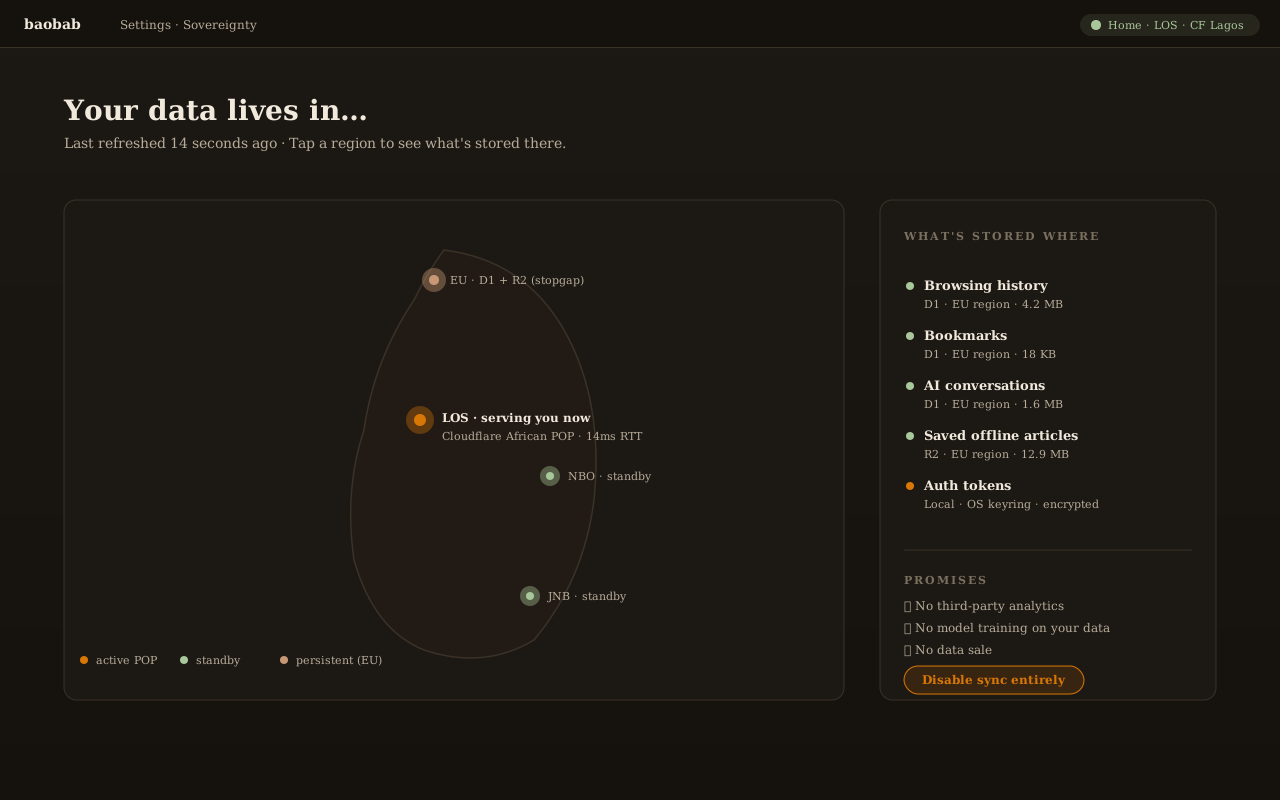
Sovereignty isn't a feature here, it's the spine. Your browsing stays local by
default. Optional sync stores bookmarks, history and chats on Cloudflare's
edge — with the explicit goal of African regions when they ship (D1 and R2
sit in the EU region today as a pragmatic stopgap). We never sell your data,
share it with third parties, or train models on it. Settings → Sovereignty
shows you exactly where each read came from.
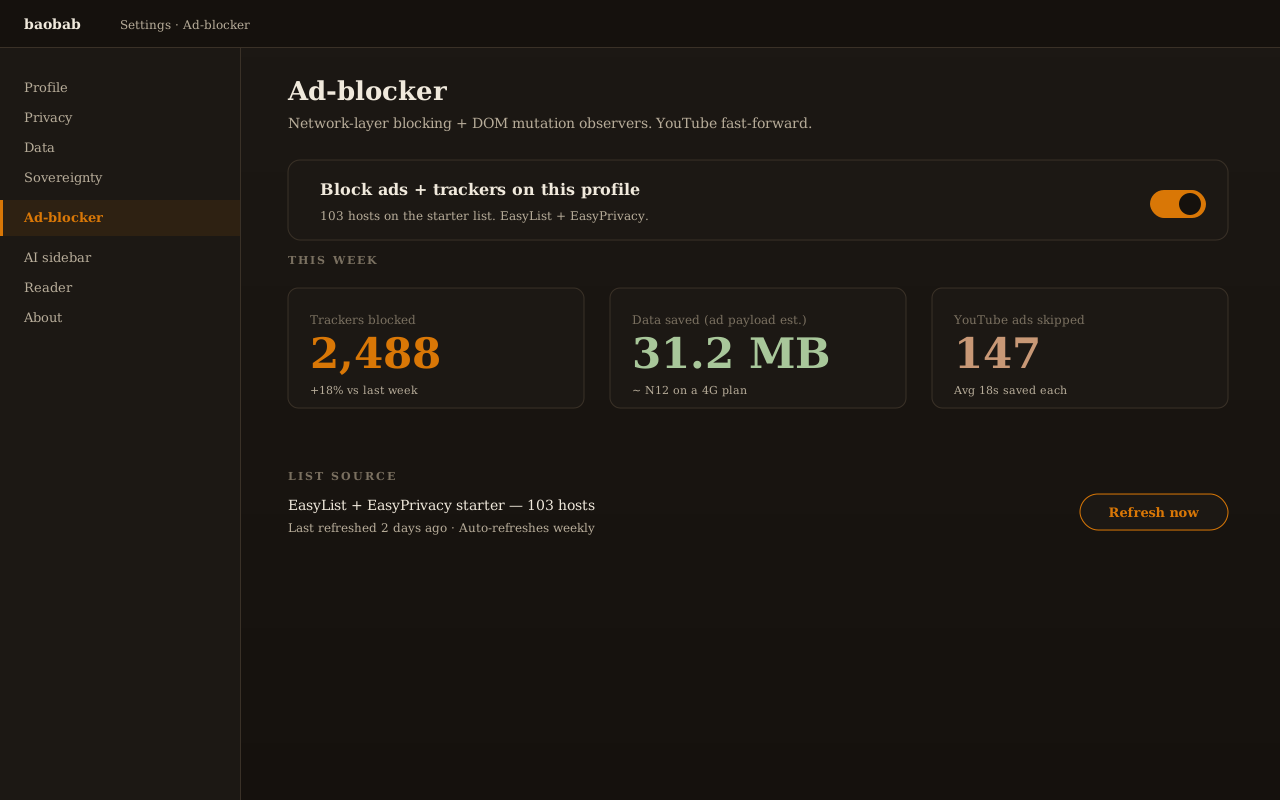
A browser is the right shape for this. Cookies, navigation guards, ad-block
scope, data-residency commitments — they all live at the browser layer. Apps
inherit from it. If we want a different default, the browser is where it has
to start.
The Sahel palette, the baobab tree, the Adinkra motifs — these aren't
decoration. They're the visual reminder of who the product is for. We built
it to be ours.